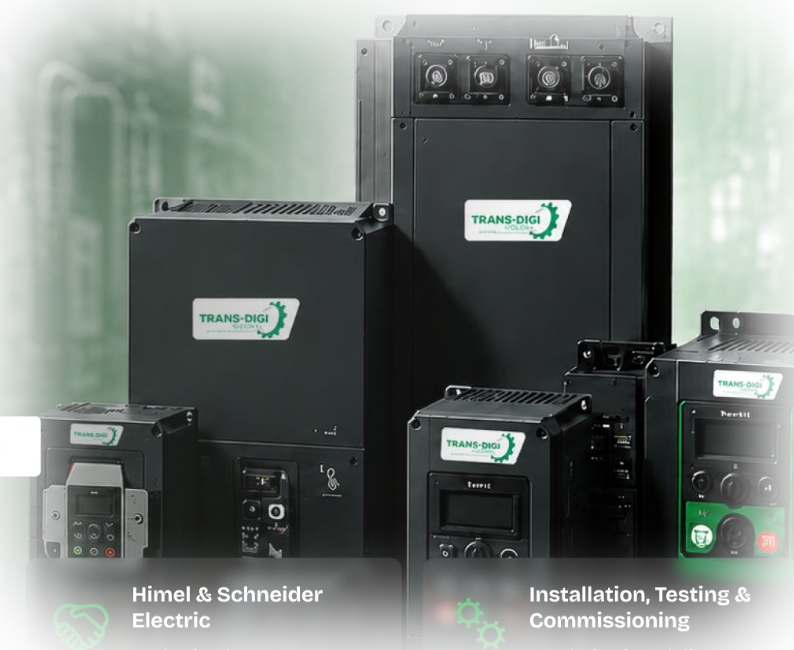
Technical Guides

Choosing a VSD for Commercial HVAC and Cooling Towers
What to look for in a VSD for air handling units, cooling towers and chilled-water pumps: humidity and IP rating, harmonics, BMS protocols and cooling tower…
Read moreSmooth starting that spares the mechanics, plus advanced protection and connectivity that extend the life of the motor and everything it drives — across pumps, fans, compressors and conveyors.
6 June 2026 · 9 min read · Trans-Digi Global
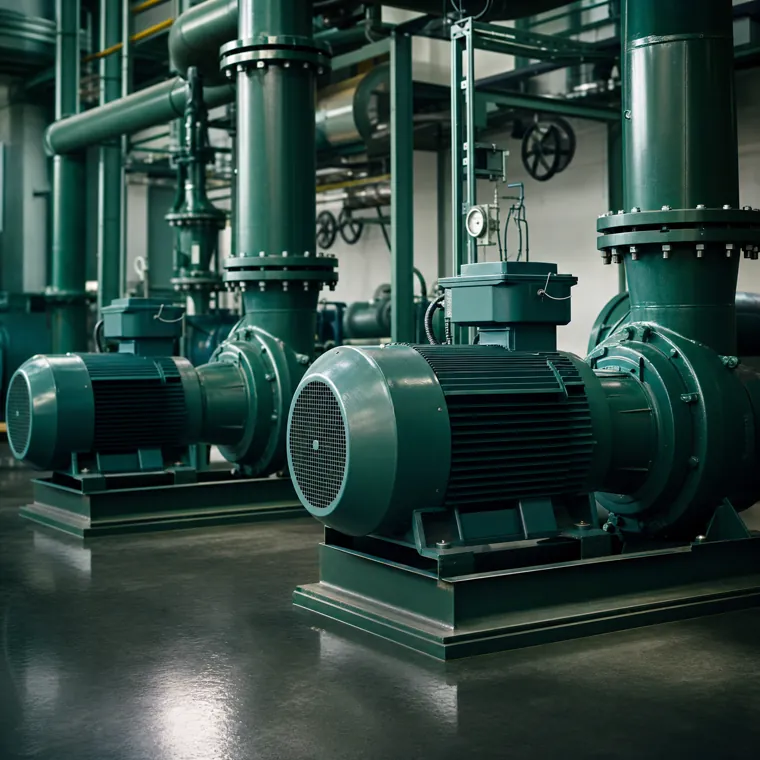
The Schneider Altivar Soft Starter ATS480 is a soft starter for three-phase asynchronous motors from 4 kW to 900 kW, used on pumps, fans, compressors, conveyors and other heavy process loads where a direct-on-line start would cause excessive current, voltage dip or mechanical shock. It controls motor torque during starting and stopping, monitors the motor and load, and adds connectivity and cybersecurity features for modern plant networks.
In this article
This article explains how soft starting protects motors and driven equipment, where the ATS480 fits compared with other starting methods, how to connect and coordinate it correctly, and what our own soft starter projects on fire pumps and HVAC plant have taught us.
A soft starter uses thyristors (semiconductor switches) to control the voltage applied to the motor during starting and stopping. Instead of applying full voltage instantly, it ramps the motor up in a controlled way, then often hands over to a bypass contactor once the motor reaches speed. Soft starters are covered by IEC 60947-4-2, the standard for semiconductor motor controllers, starters and soft starters on circuits up to 1,000 V AC.
The problem it solves is the direct-on-line (DOL) start. Schneider Electric’s guide to DOL starters notes that a motor started at full voltage typically draws 6 to 8 times its rated running current. On a large pump or fan, that surge can dip the supply for other equipment, while the sudden torque jolts couplings, belts, gearboxes and pipework.
| Feature | ATS480 |
|---|---|
| Motor power | 4 kW to 900 kW (Schneider range page) |
| Operational voltage | 208 V to 690 V AC (Schneider catalogue) |
| Current ratings | 17 A to 1,200 A (Schneider catalogue) |
| Motor type | Three-phase asynchronous (squirrel-cage) motors |
| Starting control | Torque control and current limiting |
| Connection options | In line, or inside the motor delta; with or without bypass contactor |
| Coordination | Type 1 or Type 2 to IEC 60947-4-2, with fast-acting fuses for Type 2 |
| Digital features | EcoStruxure connectivity, firmware updates, embedded cybersecurity practices |
| Typical industries | Water and wastewater, oil and gas, mining, food and beverage, marine |
Sources for the table: Schneider Electric’s ATS480 range page, the ATS480 catalogue and the ATS480D75Y product page.
Schneider describes the ATS480 as the next evolution of its soft starters, building on the robustness and start/stop performance of the Altistart 48. The Altistart family is built around torque control: the Altistart 48 range page describes its Torque Control System (TCS) for controlled starting and deceleration of heavy-duty machines and pumps, and our ATS480 product page lists advanced torque-control and current-limiting functions with dynamic torque control for starting performance.
By limiting current during the start, a soft starter reduces voltage dip on the supply and thermal stress on the motor windings. Within the Altistart family, Schneider’s ATS22 FAQ shows how adjustable this is: the current limit can be set from 200% to 700% of motor rated current, with 350% as the default.
Torque that rises smoothly avoids the snatch that slips belts, hammers gear teeth and loosens couplings. Schneider’s product pages describe soft starting as avoiding mechanical stresses and extending the service life of the driven machinery.
Stopping matters as much as starting on pumps. The US Department of Energy and Hydraulic Institute sourcebook Improving Pumping System Performance warns that rapid acceleration of large volumes of fluid can create damaging water hammer, and that soft-starting switchgear which minimises electrical surges and high starting currents can extend system life and improve reliability. A torque-controlled deceleration slows the column of water gradually rather than letting check valves slam shut.
The ATS480 monitors the motor, the load and the process, according to our product specification, which also lists extensive protection functions for operational reliability. Because it is designed for connectivity, that information can be passed to a plant control system.
| Method | Starting current | Torque control | Speed control after start | Typical use |
|---|---|---|---|---|
| Direct-on-line | Typically 6–8 × rated current | None | No | Small motors where the supply can absorb the surge |
| Star-delta | Reduced during the star stage, with a transient at changeover | Limited | No | Light starts on suitable six-terminal motors |
| Soft starter (ATS480) | Adjustable current limit | Yes, during start and stop | No, runs at full speed | Pumps, fans, compressors and conveyors that run at fixed speed |
| Variable speed drive | Held within the drive’s current rating | Yes | Yes | Loads that benefit from running at variable speed |
The choice between a soft starter and a drive comes down to what happens after the start. A soft starter brings the motor to full speed and then steps aside, so it does not reduce running energy. The US Department of Energy’s Adjustable Speed Drive tip sheet explains that drives save energy on variable loads but not on equipment that runs close to full load most of the time. For a fire pump, a fixed-duty transfer pump or a compressor that runs fully loaded, a soft starter provides the starting benefits with a simpler device than a drive. Our pump-focused guide, soft starter vs VFD: which should your pump use?, compares the two with worked energy numbers and a decision matrix.
The ATS480D75Y product page shows three standard arrangements: in line with a line contactor and no bypass; in line with line and bypass contactors; and inside the motor delta with line and bypass contactors. In each case, Type 1 or Type 2 coordination is available, with additional fast-acting fuses needed to upgrade to Type 2 under IEC 60947-4-2.
That distinction matters for critical plant. Under Type 1 coordination, a short circuit must not endanger people or the installation, but the starter may need repair afterwards; under Type 2, the starter must remain suitable for further use. For a pump that cannot be out of service for long, agree the coordination type in the design.
Inside-delta connection lets a smaller soft starter serve a larger motor, because the starter carries the winding current rather than the line current. Schneider’s ATS22 documentation gives a worked example: a 400 V, 110 kW motor with a line current of 195 A has a winding current of 195/1.5, or 130 A, and the starter is chosen with a nominal current just above that.
Soft starters are common on fire pumps, where large motors must start reliably from a standby condition. SCDF’s Fire Code 2023, clause 5.2.3 sets rules for the motors and control equipment it covers: circuits protected by HRC fuses or MCCBs able to carry the motor’s stalled current for at least 75% of the time that would damage its windings, automatically resetting no-volt release, and no thermal overload trips. Clause 6.8 requires fire pumping systems to keep performing when one pump or its control system is out of service.
Soft starter protection settings on these circuits must therefore follow the Fire Code and the consultant’s design, not a standard industrial template.
Our published soft starter references use Himel’s HASXS Expert Series, and the lessons carry across brands:
Our services cover selection and sizing, installation and panel integration, parameter configuration, testing and commissioning, and after-sales support.
Schneider lists the ATS480 for motors from 4 kW to 900 kW, at operational voltages from 208 V to 690 V and currents from 17 A to 1,200 A.
Not while running. It reduces starting current and mechanical stress, then runs the motor at full speed. For running-energy savings on variable loads, use a variable speed drive.
A controlled, torque-based stop slows the pump gradually, which helps avoid the pressure surges and check-valve slam associated with sudden stops. Confirm the stopping profile during commissioning.
The soft starter is wired inside the motor’s delta windings, so it carries the winding current, about the line current divided by 1.5, allowing a smaller starter for the same motor.
Soft starters are used on fire pumps, but the installation must follow SCDF’s Fire Code 2023 and the consultant’s design, including clause 5.2.3 on motor protection.
Send the motor rating, voltage, application and starting requirements through our contact page. For smaller motors, see our guide to the Schneider ATS22 soft starter.
Send Jason the model or your motor rating — we'll confirm availability the same business day.
WhatsApp UsWhat to look for in a VSD for air handling units, cooling towers and chilled-water pumps: humidity and IP rating, harmonics, BMS protocols and cooling tower…
Read more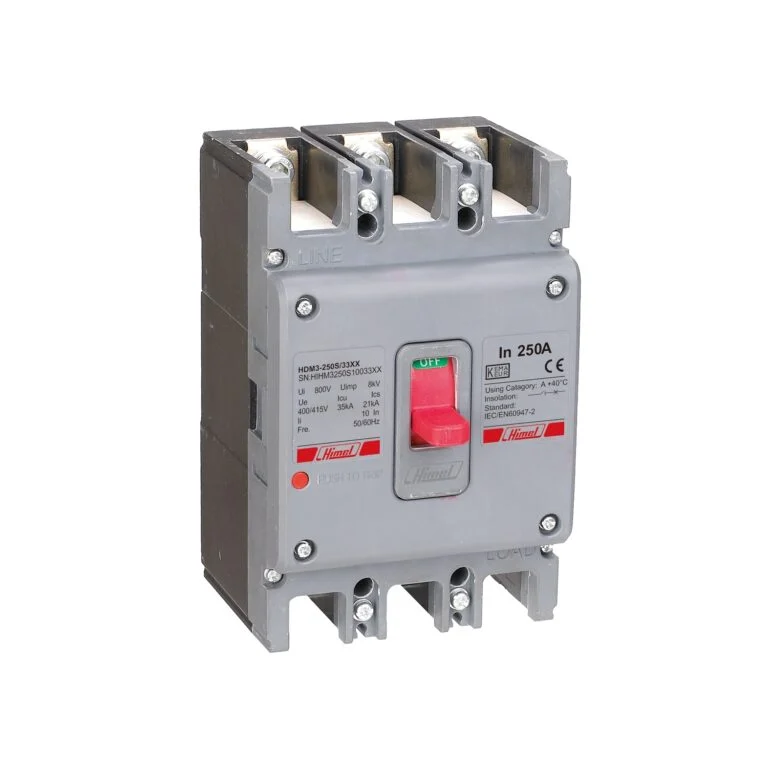
MCCB or MCB? How breaking capacity, the IEC 60898-1 and IEC 60947-2 standards, selectivity and temperature derating decide the right breaker for each board.
Read more
Soft starter or VFD for your pump? Compare starting current, running energy, harmonics and cost, with a decision matrix by pump duty, worked numbers and Singapore…
Read moreSend us your motor rating, voltage, application and quantity. We'll get back to you fast.